The first hour
Building a holding statement when you know almost nothing, so silence does not become the story. What you can say honestly before the facts are confirmed, and what you must never say.

Media training
Practical media training for Australian leaders and spokespeople who could find themselves in front of a camera, a microphone or a hostile inbox with very little warning. Led by former journalists and senior crisis advisers, not academics.
Crisis media training teaches the people who speak for your organisation how to handle media questions while a serious incident is still unfolding. It is narrower and more pressured than general media training. The story is moving, the facts are incomplete, people may have been harmed, and every answer is being judged for tone as much as content.
A session usually covers building a holding statement in the first hour, agreeing key messages the whole leadership team can repeat, bridging away from speculation without sounding evasive, and practising on camera until the responses stop feeling scripted. Most Australian providers run it as a half day or full day, in person or online, with recorded mock interviews and playback.
It is a skill, not a document. That is the difference between this and a crisis communication plan, and it is why organisations that already have a plan often discover their spokespeople have never actually practised using it.
Inside the training
Every session is shaped around the incidents your organisation is genuinely exposed to. These are the components that appear in almost all of them.
Who it is for
The people who end up in front of a camera during a crisis are rarely the communications team. They are the chief executive, the principal, the board chair, the head of the association. They are usually competent, senior and completely unpractised at being questioned in public about something that has gone badly wrong.
The training is built for anyone who could reasonably be asked to speak in that moment:
Format
Sessions are built around your organisation, not a generic case study. Before the day, we work through the incidents you are genuinely exposed to, the spokespeople who would front them, and any live sensitivities we need to work around.
Delivery is live, online or in person, for a small group so everyone gets time in the chair. Half day and full day formats are both common. We will recommend the shape that suits your team after the scoping conversation rather than selling a fixed package.
General media training prepares you to promote something: a launch, a result, a campaign. You control the timing, you know the questions, and the worst outcome is a dull story. Crisis media training prepares you for the interview you did not schedule, about a subject you would rather not discuss, at a moment when your organisation's reputation is genuinely at stake.
The skills overlap. The pressure does not. If your immediate concern is a serious incident rather than a product launch, this is the session you want.
Where it fits
Crisis media training is one piece of crisis readiness. It is the most visible piece, because it is the part the public sees, but on its own it will not make an organisation crisis ready.
Most organisations start with training because something has just happened, or nearly happened, and the gap has become obvious. That is a perfectly reasonable place to start. It is a poor place to stop.
Who delivers it
Practitioners rather than academics. Between them they have worked in newsrooms, run crises for governments and listed companies, and trained executives across the world.

Lyall Mercer
Co-founder, My PR Partner
A former journalist with more than 25 years of front-line public relations experience, advising governments, executives, heads of state, industry associations and schools, and coordinating international media conferences.

Cavill Stone
Radio and broadcast specialist
Former director of clients, people and culture at a PR agency specialising in radio and broadcast communications, with more than ten years in PR and communications.

Melissa Agnes
Founder and CEO, Crisis Ready Institute
A recognised authority on crisis communication, crisis leadership and brand protection, and best-selling author of Crisis Ready: Building an Invincible Brand.
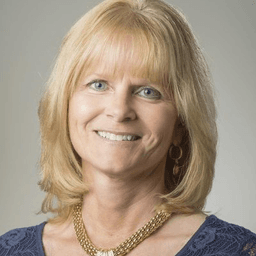
Deborah Hileman
President, Institute for Crisis Management
President of the Institute for Crisis Management in the United States, a recognised leader in crisis communication research and training, having trained executives across the globe.
Your session is matched to the trainer whose background fits your sector and the formats you are most likely to face. You can see the full roster on the expert trainers page.
Common questions
Start the conversation
Tell us who speaks for your organisation and what you are exposed to. A senior adviser will tell you honestly whether a single session will cover it, or whether you would be better served by a full program.